Pell Grant Overhaul Ahead — What Students and Educators Must Know
December 25, 2025 2025-12-25 14:10Pell Grant Overhaul Ahead — What Students and Educators Must Know
Pell Grant Overhaul Ahead — What Students and Educators Must Know
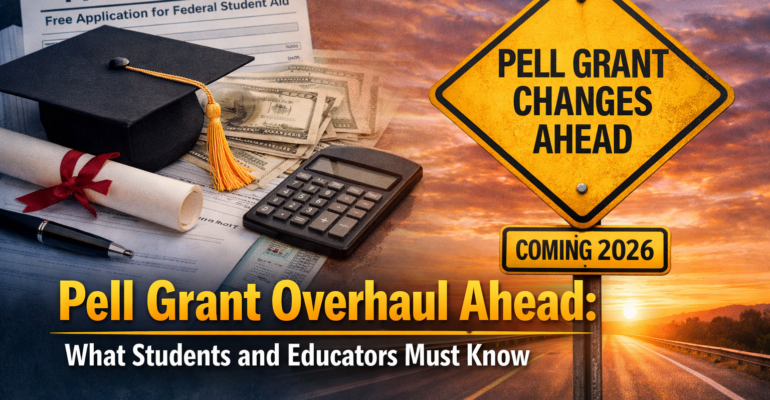
Few federal financial aid programs have shaped access to higher education as profoundly as the Pell Grant. For decades, Pell has served as a cornerstone of college affordability for low-income students, particularly first-generation college-goers. Beginning July 1, 2026, the program will enter a new chapter—one that reflects shifting workforce demands, political priorities, and evolving notions of postsecondary success.
The forthcoming overhaul introduces Workforce Pell Grants, expanding eligibility to short-term credential programs tied to high-demand industries. Proponents argue this modernizes Pell for today’s economy, recognizing that not all learners pursue traditional degree pathways. For adult learners, veterans, and displaced workers, this change represents long-awaited recognition of alternative routes to economic mobility.
At the same time, revisions to income and asset calculations are expected to narrow eligibility for some students who previously qualified. Families with modest savings or fluctuating incomes may find themselves newly ineligible, despite continued financial need. For TRIO-eligible populations—students already navigating structural barriers—these nuances could be the difference between enrollment and attrition.
The implications extend beyond individual students. Institutions must prepare for shifts in enrollment patterns, advising demands, and financial aid appeals. TRIO programs, especially Talent Search, Upward Bound, and Student Support Services, will play a pivotal role in translating policy into practice—helping students understand eligibility changes, recalibrating college-going expectations, and advocating for equitable implementation.
As Pell evolves, the core question remains unchanged: will these reforms expand access without eroding opportunity for those who need it most? The answer will depend not only on policy design, but on how educators, advisors, and institutions respond.